National leadership
Chairman of the Nigeria Governors’ Forum
Coordinating dialogue among governors on shared state and national concerns during the 2015 to 2019 period.
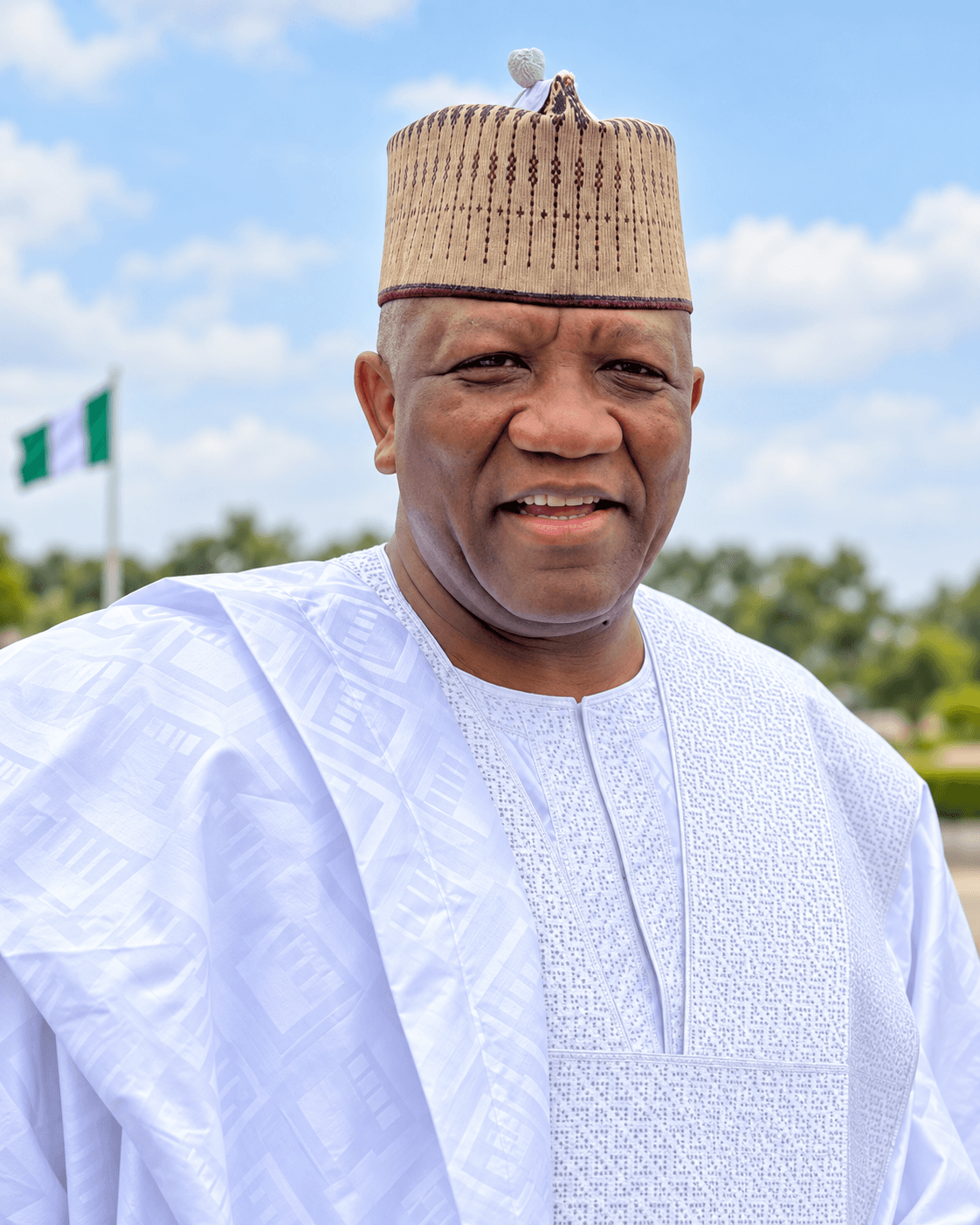
Abdulaziz Abubakar Yari chaired the Nigeria Governors’ Forum from 2015 to 2019 while serving his second term as Governor of Zamfara State. The chairmanship placed him at the centre of a platform through which governors considered shared concerns, engaged national institutions and exchanged experience about the work of running their states.
It was a different kind of leadership from the governorship itself. A governor directs a state executive within the law; the Forum chairman coordinates discussion among governors who each hold their own mandate. That distinction is central to understanding Yari’s role. The Forum’s work belonged to its members collectively, with the chairman helping to organise a common conversation across political parties, regions and different state circumstances.
A forum for Nigeria’s states
The Nigeria Governors’ Forum brings state leaders into sustained contact beyond individual meetings with the Federal Government. States differ in population, geography, revenue and the pressures on their public services. Yet many of the questions governors face are shared: how to sustain schools and health facilities, how to manage financial commitments and how to coordinate responses when a problem crosses a boundary.
During Yari’s chairmanship, the Forum provided a setting for these concerns to be discussed together. The chair’s responsibility was to work with fellow governors, the Forum’s secretariat and other institutions. It required attention to different interests and an ability to keep dialogue moving even where members did not approach an issue from the same position.
The value of such a platform is often less visible than a physical project. Its work may take the form of meetings, policy discussions and follow-up between institutions. These activities matter when a single state cannot resolve an issue on its own.
Leadership across party and regional lines
Yari became chairman in 2015 and held the position until 2019. His own political affiliation did not make the Forum a party campaign structure. Its membership brought together governors with separate electoral mandates and different political backgrounds. The task was therefore to find room for cooperation without erasing those differences.
In practice, collective leadership depends on listening as well as speaking. A state with a large commercial economy may approach revenue differently from one with a predominantly rural population. A governor managing rapid urban growth may place particular emphasis on transport, while another faces a pressing need to sustain dispersed health and education services.
The Forum creates a place where those experiences can inform a wider discussion. For Yari, chairmanship added a national coordinating role to the experience he was acquiring through state government in Zamfara. It required engagement with the concerns of other states alongside those of his own.
State finances and public responsibilities
Financial pressures were an important part of the national setting during the 2015–2019 period. For state administrations, the ability to meet recurring commitments sits alongside the demand for new investment. Salaries, maintenance and the running costs of services must be considered together with roads, schools and other capital projects.
Intergovernmental dialogue matters because the financial position of a state is affected by decisions and arrangements beyond its own executive. Collective engagement offers governors a way to discuss these issues with national institutions and to consider how different states are responding to similar pressures.
The chairman’s role in that process is one of coordination. It does not make every financial decision of a member state his personal decision, or every federal intervention a programme he funded. The significance lies in maintaining a channel through which state concerns can be presented and discussed at national level.
Primary healthcare as a shared concern
Healthcare illustrates why states benefit from exchanging practical experience. A functioning primary-care system requires more than a single building. It needs staff, supplies, management, referral arrangements and coordination between different levels of government. Weakness in one part can undermine effort elsewhere.
In 2017, the Forum’s secretariat convened work on the Primary Healthcare under One Roof approach, bringing attention to coordination in primary healthcare. That work took place during Yari’s chairmanship and formed part of the institution’s wider policy activity. It should be understood as Forum and secretariat work, involving health-sector participants, rather than as a personal clinical programme.
The broader lesson is about continuity. A meeting can bring people together and clarify responsibilities, but better care depends on implementation within health systems. Keeping that distinction visible allows the chairmanship to be assessed for the role it actually played: convening, coordination and engagement across states.
Connecting state experience with national discussion
Yari’s years as governor gave him direct experience of the questions raised by infrastructure and social services in Zamfara. The Forum chairmanship offered a route for that experience to enter a broader discussion. It also exposed him to the approaches and difficulties of other administrations.
At the 2019 induction for new and returning governors, Vice President Yemi Osinbajo recognised Yari’s work as Forum chairman and his liaison with the Federal Government. That recognition belongs to the closing period of his chairmanship. It reflects an assessment of his coordinating role, while the detailed results of individual state programmes remain matters for those programmes themselves.
The induction setting was also significant because leadership was changing in several states. Institutional relationships must continue when officeholders leave. Forums, secretariats and shared working arrangements help preserve a channel for cooperation across that transition.
Security and the limits of a collective platform
Security concerns affected states in different ways during this period. They also demonstrated the need for communication between state governments and national security institutions. Communities experience insecurity locally, while responsibility for responding can involve several institutions and levels of government.
The Governors’ Forum could provide a setting for shared concerns to be raised, but it was not a security command. Its chairman did not acquire the operational powers of national security agencies through the position. Recognising that boundary is necessary both when assessing expectations of the Forum and when considering the responsibilities of individual governors.
For Zamfara, the period included severe security challenges with consequences for everyday life and economic activity. Those circumstances remain part of Yari’s governorship record. His national coordinating role should be considered alongside that record, without allowing one role to obscure the other.
A completed chapter of public service
Yari’s Forum chairmanship ended in 2019. It is a historical position and is presented as such throughout this platform. His current Senate representation and national political responsibilities have their own mandates, dates and institutional settings.
The experience remains relevant to understanding his career because it connected state leadership with sustained national dialogue. It involved relationships across the federation, cooperation with a professional secretariat and engagement with the Federal Government. These are different activities from constituency assistance, legislative participation or directing a state development programme.
The 2015–2019 chapter therefore stands as a period of intergovernmental leadership. Its place in the record is the work of bringing governors into a common setting, helping state concerns reach national discussion and supporting continuity in an institution whose responsibilities extend beyond any one chairman’s term.
- Period
- 2015–2019
- Office
- NGF Chairman