Media Use Policy
Last updated 17 September 2026
This policy explains how photographs, recordings, documents and the office identity should be used in connection with the website. Public availability makes information easier to access, but it does not mean that every asset has the same permission for reuse. If you are unsure about a proposed use, contact the office with the specific material and purpose.
Identifying the material you need
Send the page address and identify the photograph, film, document or wording concerned. Explain whether the material will be used in reporting, teaching, a publication, an event, an advertisement or another context. Different uses may require different consideration, particularly where a person’s image or a third party’s rights are involved.
A request should distinguish between quoting a short passage and reproducing a complete work. It should also identify any proposed alteration, translation, crop or combination with other material. Providing these details at the start can prevent confusion about what is being requested.
The Senator’s name and portrait
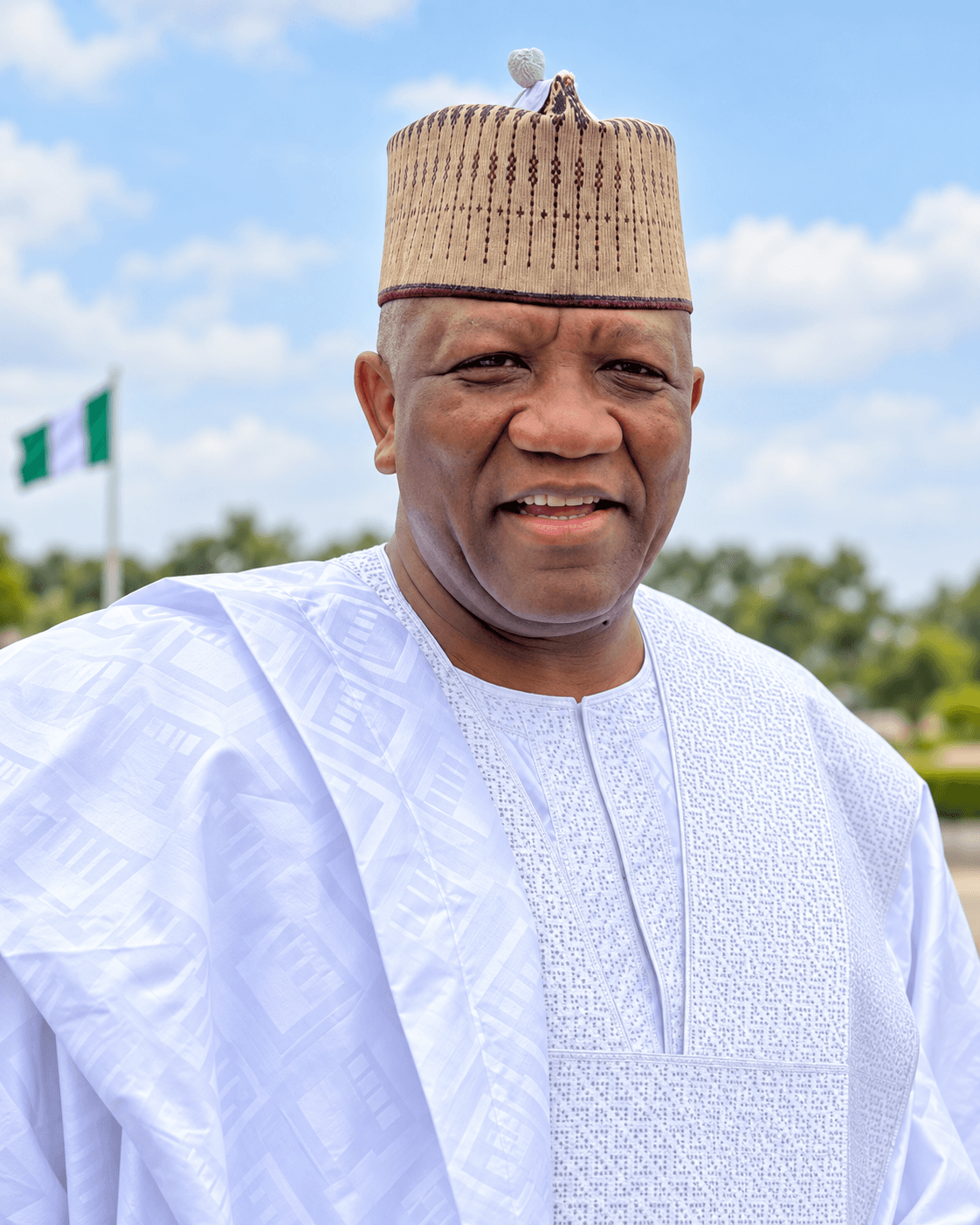
The name and portrait of Senator Abdulaziz Yari may be used on this platform to identify the subject of the public record. That identification does not give another person authority to speak for the Senator or the office.
Do not use the name, photograph or visual identity to imply a commercial endorsement, official appointment, fundraising authority or accreditation that has not been granted. A social-media account, publication or event should not be designed to mislead people into believing it is an official office channel.
Photographs and context
A photograph records a particular image; its meaning depends on context. A portrait does not establish attendance at an event. A group photograph does not prove every claim made about the meeting. A stock or illustrative image should not be used to claim that a specific project has been completed or that the people shown received a benefit.
Do not alter a photograph in a way that materially misrepresents the people, occasion or setting. Routine resizing for a layout is different from changing the apparent content. Crops should preserve the relevant context and should not create a misleading impression of who was present or what occurred.
Video, audio and photo films
A spoken recording should not be edited to reverse or distort the speaker’s meaning. If an extract is used, retain sufficient context for a fair understanding of the statement. Subtitles and translations should reflect the content rather than introduce claims that were not made.
A photo film is an audiovisual presentation built from still photographs. It is different from original event footage and should not be described as a recording of a speech. Where no speech audio exists, do not add an imitation voice that could be mistaken for the Senator’s words.
Documents and written publications
Documents may contain dates, limitations or instructions that are important to their meaning. A copy should not remove those details in a way that changes the practical effect. Check whether the document is current before directing another person to act on it.
Some documents may have been produced by another institution and included or linked for public information. Their appearance on the website does not transfer the original owner’s rights to the office or to a reader. Permission may need to be obtained from the appropriate rights holder.
Material submitted by visitors
Only upload content you are entitled to provide. If a file includes identifiable people, consider whether it is appropriate to share their image or personal information. A photograph supplied for a private report is not automatically cleared for use in a public campaign or publication.
Describe the material accurately and avoid claiming authorship or permission you do not have. The office may ask for clarification before using a submitted asset. It may also decide not to publish material that creates an avoidable privacy, safety or rights concern.
Requests for removal or correction
If you believe media has been used incorrectly, contact the office with the page address and the specific asset. Explain the nature of the concern and your relationship to the material. A rights claim, a privacy concern and an inaccurate caption may require different information to assess.
Do not include unrelated sensitive documents in an initial message. The team can explain what further information is needed. The office may restrict access while reviewing a credible concern, but an initial request does not establish the outcome of that review.
Press and publication enquiries
Journalists and publishers can use the contact channel to request an interview, clarification or access to suitable media. State the publication, subject, proposed deadline and preferred contact method. The office will assess the request; submission does not guarantee an interview or access.
No part of this policy overrides rights or obligations that apply under law. Where permission is required, obtain it before the proposed use. Keep any written permission and stay within the scope that was actually agreed.