Education
School infrastructure and girls’ education
Classroom expansion, school improvements and girls’ education facilities were among the education priorities of the governorship period.
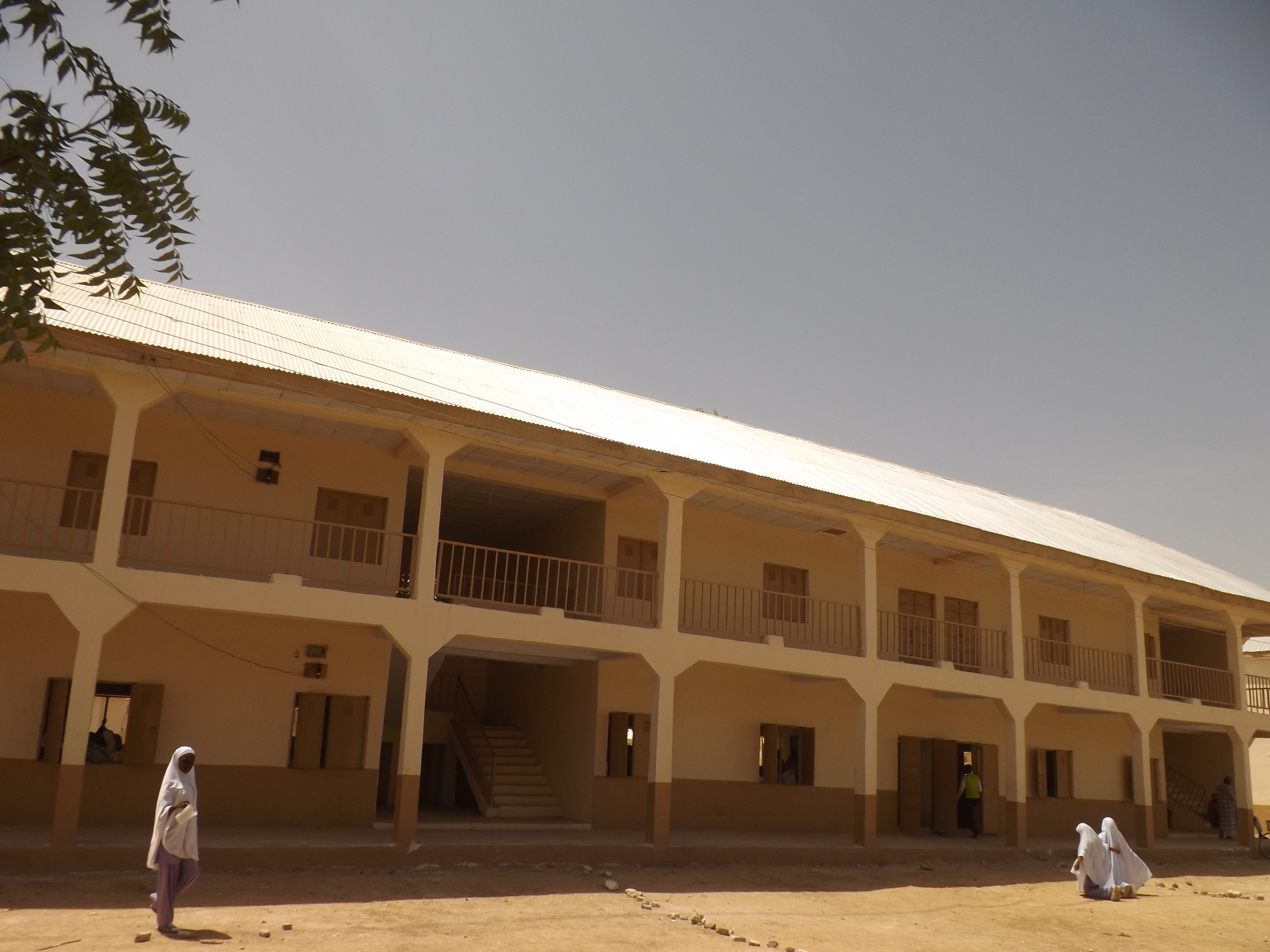
School infrastructure and girls’ education formed part of the Zamfara State development agenda during Abdulaziz Yari’s governorship from 2011 to 2019. The programme included new classroom space and improvements to existing schools, with work at Government Girls College, Talata Mafara, among the education projects associated with the period.
The purpose of investing in a school is to create a more useful setting for learning. Buildings matter because pupils and teachers need space that supports the work of a school day. They also matter to families deciding whether a child can enter, continue or complete a stage of education. The education chapter of the administration is therefore connected to access, the quality of the school environment and the long-term responsibilities of operating public institutions.
Classrooms within a functioning school
Classroom construction was one part of the administration’s education programme. Additional space can help a school accommodate pupils and organise teaching, but it works best as part of a wider environment. Furniture, learning materials, teachers and school leadership all contribute to how that space is used.
This broader view is useful when considering the public value of a building programme. A completed classroom is a physical addition to a school; the educational experience develops through the lessons, attendance and support that take place within it. Infrastructure creates room for learning, while the daily work of education continues after the construction team leaves.
The programme also included improvements to existing schools. Renovation and new construction address different needs. One renews facilities already in use, while the other can create additional capacity. Both have a place in a state education system serving established communities and younger generations entering school.
Government Girls College, Talata Mafara
Government Girls College in Talata Mafara was part of the administration’s education infrastructure work. Renovated facilities at the college were included in the programme of projects commissioned during Vice President Yemi Osinbajo’s 2018 visit to Zamfara. The college gives the wider education agenda a specific institutional setting.
Girls’ education involves the same right to learning and ambition that should be available to every child, while also requiring attention to the practical circumstances affecting participation. A suitable school environment can influence whether a family considers continued study manageable and worthwhile. The condition of teaching spaces, water and sanitation is therefore part of the educational question.
The college’s place in the governorship record concerns the work undertaken there during that period. The institution itself serves a continuing purpose beyond a single administration. Successive school leaders, teachers and public authorities carry responsibility for maintaining and using its facilities.
The wider school environment
Education investment cannot be understood only through classrooms. Pupils need a setting in which the ordinary routines of the school day can take place. Water, toilets, furniture and safe movement around a school all influence that experience, as do the availability and preparation of teachers.
A 2014 review of secondary education drew attention to problems involving school facilities, water and accommodation. The concerns illustrated the range of issues confronting education administration. They also showed why a school improvement agenda needs to consider the whole institution rather than treating a new structure as the only requirement.
The practical relationship between these elements is straightforward. Time and attention spent dealing with an inadequate environment can interrupt the work of teaching and learning. Improving the setting is therefore part of supporting education, while sustained management remains necessary to keep facilities usable.
Primary education and the route forward
The administration’s education work also included primary-school facilities. The Abubakar Tunau model primary school in Talata Mafara was among projects included in the 2018 commissioning programme. Primary education establishes the foundation on which later stages of learning depend, making the condition of these schools a continuing public concern.
A child’s route through education is a sequence, rather than a single event. Entering primary school, moving to secondary school and considering further study each bring different requirements. Investment at one stage is more valuable when the next stage remains accessible and when pupils can continue learning without avoidable interruptions.
This is one reason the record covers both classroom infrastructure and girls’ education. The themes are connected through the question of participation: who can enter a school, what environment they find and what helps them remain engaged with learning as they grow older.
Families, teachers and school leadership
Public investment provides facilities, but a school is also a community of people. Teachers prepare and deliver lessons, school leaders organise daily activity, and families make decisions that affect attendance and continued study. These roles remain central even when a building programme is prominent in public discussion.
A useful school environment supports their work. Teachers need suitable spaces and materials; pupils need a dependable setting; families need confidence that the institution can serve their children. The relationship between these groups helps determine whether physical improvements become a lasting part of educational life.
The governorship record should therefore recognise the institutions and people involved in delivery. Projects were undertaken within the state education system, and their public purpose extended beyond the officeholder whose administration directed the work. The facilities belong to the communities and pupils they were intended to serve.
From school facilities to tertiary opportunity
Yari’s later scholarship initiative belongs to his Senate-era community work, but it connects with the wider theme of educational access. School infrastructure addresses the environment in which younger pupils learn. Registration assistance for tertiary students addresses a different barrier at a later point in the educational journey.
The two forms of support should not be combined into a single programme or beneficiary total. They took place under different arrangements and during different periods. Their connection is the concern with helping people take part in education, from a school setting to further study.
For families, those transitions can be demanding. Completing one stage does not automatically remove the practical costs of entering another. Recognising the whole educational journey helps explain why public-service work may include both facilities and targeted assistance, while allowing each intervention to retain its own purpose.
Maintaining an educational investment
School facilities require continuing care. Furniture wears out, buildings need repair and the number of pupils may change. Maintenance is part of protecting the value of an education investment, rather than an optional activity once construction has ended.
The historical account concerns the 2011–2019 governorship period. It does not replace a current assessment of any individual school. The condition of a facility today reflects subsequent use, maintenance and investment as well as the original project. That continuing responsibility belongs within the wider management of public education.
The significance of this chapter lies in the attention given to the places where learning happens. Classrooms, school improvements and girls’ education facilities were part of the administration’s programme. Their lasting purpose is the opportunity they create for pupils to learn in a suitable environment and progress through education with the support of their families, teachers and communities.
Inside the school record
Government Girls College, Talata Mafara, can be explored through photographs of its teaching blocks and a classroom setting. The individual project page places the school improvements within the governorship period and the 2018 working-visit programme. It gives a specific institution a place within the wider story of investment in girls’ education.
A separate college feature from Bakura looks at later ICT support through the experiences of a college representative and a student. School infrastructure, teaching technology and tertiary scholarships address different barriers to learning. Keeping those interventions distinct makes their contribution to the education record clearer.
- Period
- 2011–2019
- Office
- Governor of Zamfara State