Infrastructure
Water supply and rural services
Community water schemes, boreholes and electrification work formed part of the administration’s rural-development agenda.
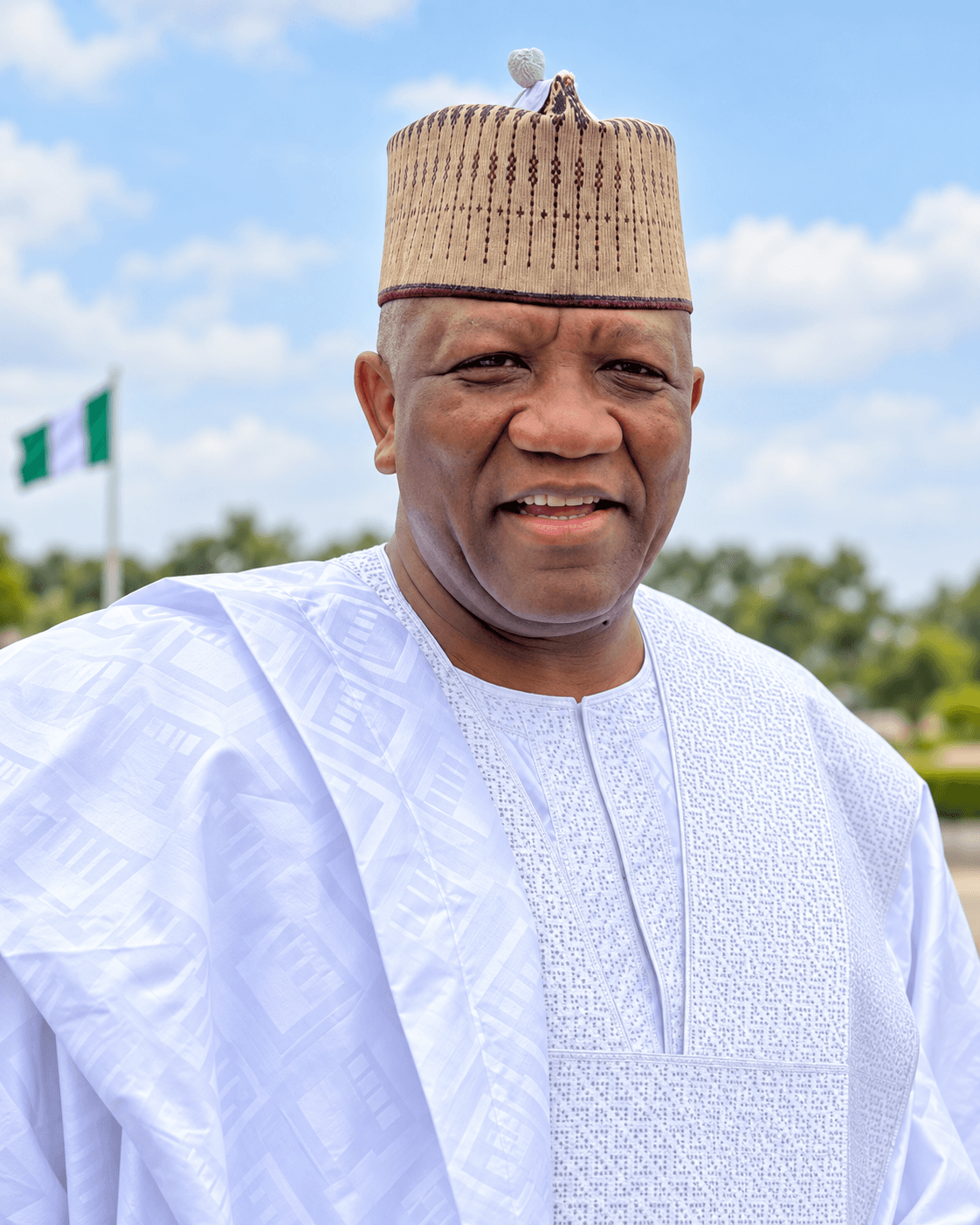
Water supply and rural electrification formed part of Abdulaziz Yari’s infrastructure programme as Governor of Zamfara State from 2011 to 2019. These services affect the everyday work of households, schools, health facilities and small businesses. Their importance is often most apparent when they are difficult to access: an ordinary task takes longer, a service becomes harder to operate or a household must find another way to meet a basic need.
In May 2017, rural electrification and semi-urban water projects were inaugurated in Bakura, Talata Mafara and Gusau local government areas. Minister of Power, Works and Housing Babatunde Fashola attended the inauguration. The projects formed part of the sixth-anniversary programme of the administration and provide a dated setting for this chapter of the public-service record.
Water as an everyday service
Water infrastructure serves repeated daily needs. Households use water throughout the day, while schools, clinics and workplaces depend on it to operate. A scheme’s usefulness is therefore connected to regular access, the condition of its equipment and the arrangements for keeping it working.
The governorship programme included community water schemes and boreholes, as well as attention to semi-urban supply. These forms of provision serve different settings. A larger settlement may require a network that carries water between facilities and users, while a smaller community may depend on a more local arrangement.
The practical purpose remains the same: making water available in a way that serves the people around the scheme. Construction is an essential stage, but operation and maintenance determine how an infrastructure investment becomes a dependable part of community life.
Projects in Bakura and neighbouring areas
Bakura featured in the administration’s water and rural-service programme. Gamji’s water project was included among projects commissioned in 2018, alongside General Hospital, Bakura, and education and road works in Talata Mafara. The grouping demonstrates how basic services were pursued within a broader development programme.
The 2017 inauguration across Bakura, Talata Mafara and Gusau provides another point in that sequence. It brought water and electrification into the same public-service setting, reflecting the relationship between power and the operation of infrastructure.
Each project has its own location and purpose. A scheme serving one community cannot automatically be treated as providing the same service to every settlement in a local government area. Understanding the geography of provision is part of understanding its reach and the needs that may remain elsewhere.
Electricity and local activity
Rural electrification addresses the connection between communities and power infrastructure. Electricity is used in homes, public facilities and businesses, supporting activities that range from lighting to the operation of equipment. Its availability can shape the choices people have when organising work and daily routines.
Extending infrastructure is one part of that process. A physical connection and a dependable supply are related but different things. The continuing service depends on the wider system, including operation, maintenance and the institutions responsible for electricity delivery.
The electrification work in the governorship programme should therefore be understood as infrastructure investment within a broader power system. It belongs to the historical record of extending and improving provision, while the quality of service at any later date requires consideration of the conditions then in place.
The connection between water and power
Water and electricity are often discussed as separate sectors, but their practical relationship can be close. Some water systems require energy to move or treat water. Public facilities also depend on both services for different parts of their daily operation.
That relationship makes coordination important. A water installation needs an operating arrangement that accounts for its energy requirements, while electricity infrastructure must serve actual uses within a community. Planning one without understanding the other can leave a gap between an installed asset and the service residents expect.
The administration’s combined attention to rural electrification and water supply reflects this wider infrastructure setting. The projects were distinct undertakings, but they addressed services that households and public institutions experience together.
Schools, healthcare and community facilities
A school needs more than classrooms to function well. Water supports the daily routines of pupils and staff, while electricity can support lighting and equipment where available. A health facility has its own continuing demands for these services. Their availability is part of the environment in which education and care take place.
This is why water and rural services belong beside school and hospital improvements in the public-service record. Investment in a building and investment in the services around it are complementary responsibilities. Their combined usefulness is felt by the people trying to use the facility.
The connection should be understood without assuming that every scheme supplied every institution. Locations and service arrangements matter. The broader point is that public infrastructure forms a network of dependencies, and the quality of one part can affect how well another part works.
Maintenance and community stewardship
An infrastructure scheme creates a continuing duty of care. Pumps, pipes, electrical installations and other equipment require attention over time. Faults need to be identified and addressed, while operation must remain consistent with the purpose for which the scheme was provided.
At the 2017 inauguration, protection of facilities from damage and vandalism was part of the public message. Community stewardship is relevant because infrastructure serves repeated shared needs. Damage to an asset can interrupt a service used by many people, while delayed repair can reduce the value of the original investment.
Stewardship does not transfer all responsibility from public institutions to residents. Technical maintenance and service management remain matters for the bodies responsible. Community awareness can complement that work by helping protect facilities and communicate problems when they arise.
Serving communities beyond the capital
Rural development requires attention to places outside the main concentration of government and commercial activity. Smaller communities need access to essential services even when their settlement pattern makes provision more complicated. Water and electricity are part of that concern with the distribution of public infrastructure.
Projects in local government areas such as Bakura and Talata Mafara formed part of the administration’s work beyond Gusau. Their significance lies in the communities and facilities they were intended to serve, rather than only in their position within a statewide programme.
A local perspective also makes public feedback more useful. Identifying the community, installation and nature of a problem helps the responsible institution understand what requires attention. Broad statements about an entire district are less useful than a clear account of a specific service issue.
A lasting public responsibility
The water and rural-service programme belongs to the 2011–2019 governorship period. Its infrastructure remains part of a continuing public environment in which later administrations, service bodies and communities have responsibilities. The historical investment and the present condition of a scheme are connected, but they are not the same question.
The long-term purpose is dependable access to basic services. That purpose extends beyond commissioning, beyond an anniversary programme and beyond any one term of office. It is realised through continued operation and attention to the people who use the service.
Water supply and rural electrification therefore occupy a practical place in Yari’s public-service record. They concern the foundations of everyday life: the services that help households manage their routines, allow public facilities to operate and support activity in communities across the state.
A closer view of Rini
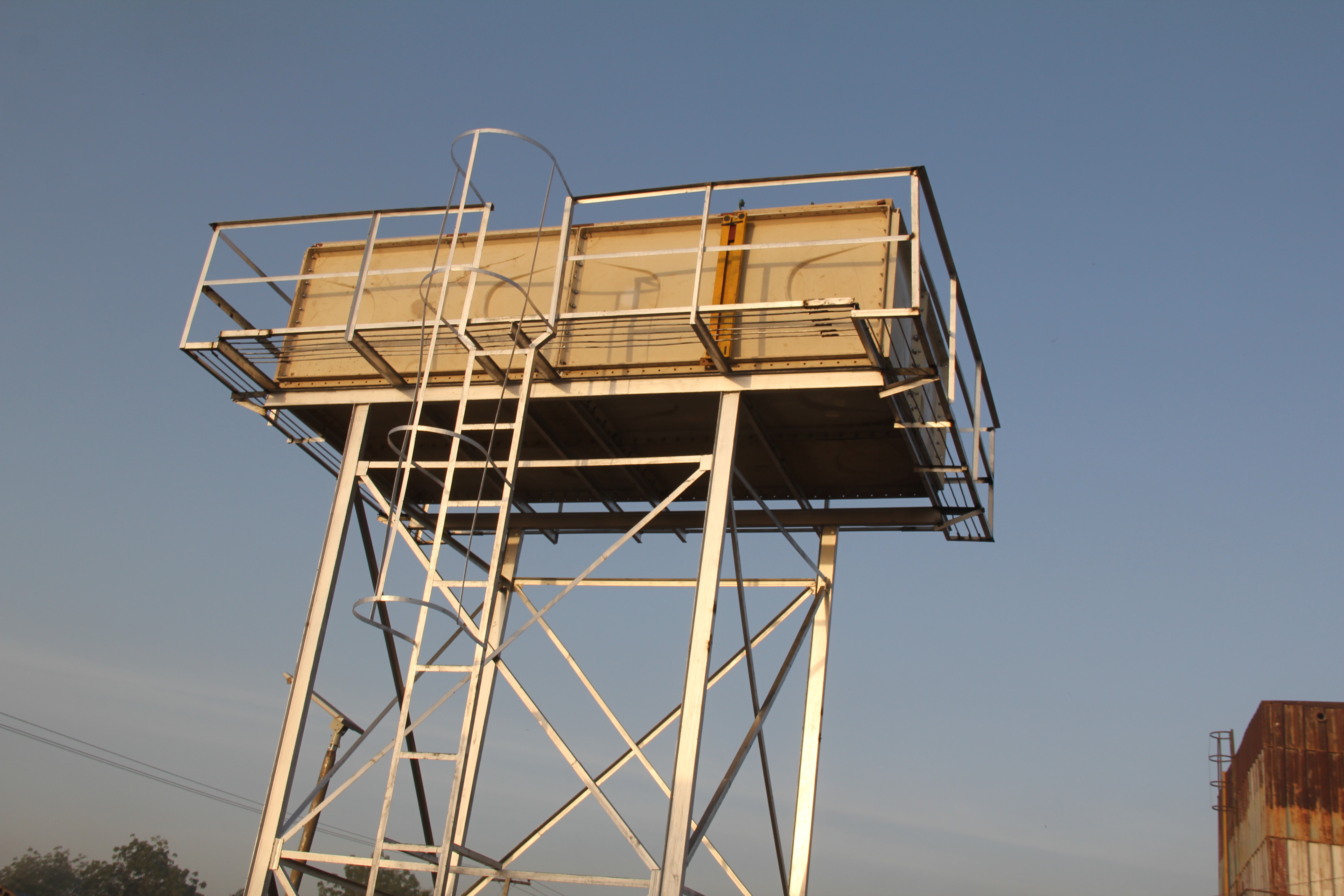
The Rini water installation in Bakura adds a specific community setting to the rural-services record. Its elevated tank is part of the physical infrastructure associated with the governorship water programme. The linked project page brings the location and photograph together, alongside the wider context of water services in everyday life.
Gusau’s street-lighting account offers a different infrastructure setting. It records lighting within the state capital, with an image of the illuminated road and commissioning scene. Water storage and street lighting serve different purposes, but both belong to the practical services through which public investment is experienced by communities.
- Period
- 2011–2019
- Office
- Governor of Zamfara State