Senate
Representing Zamfara West
A Senate mandate connecting Anka, Bakura, Bukkuyum, Gummi, Maradun and Talata Mafara with national lawmaking and oversight.
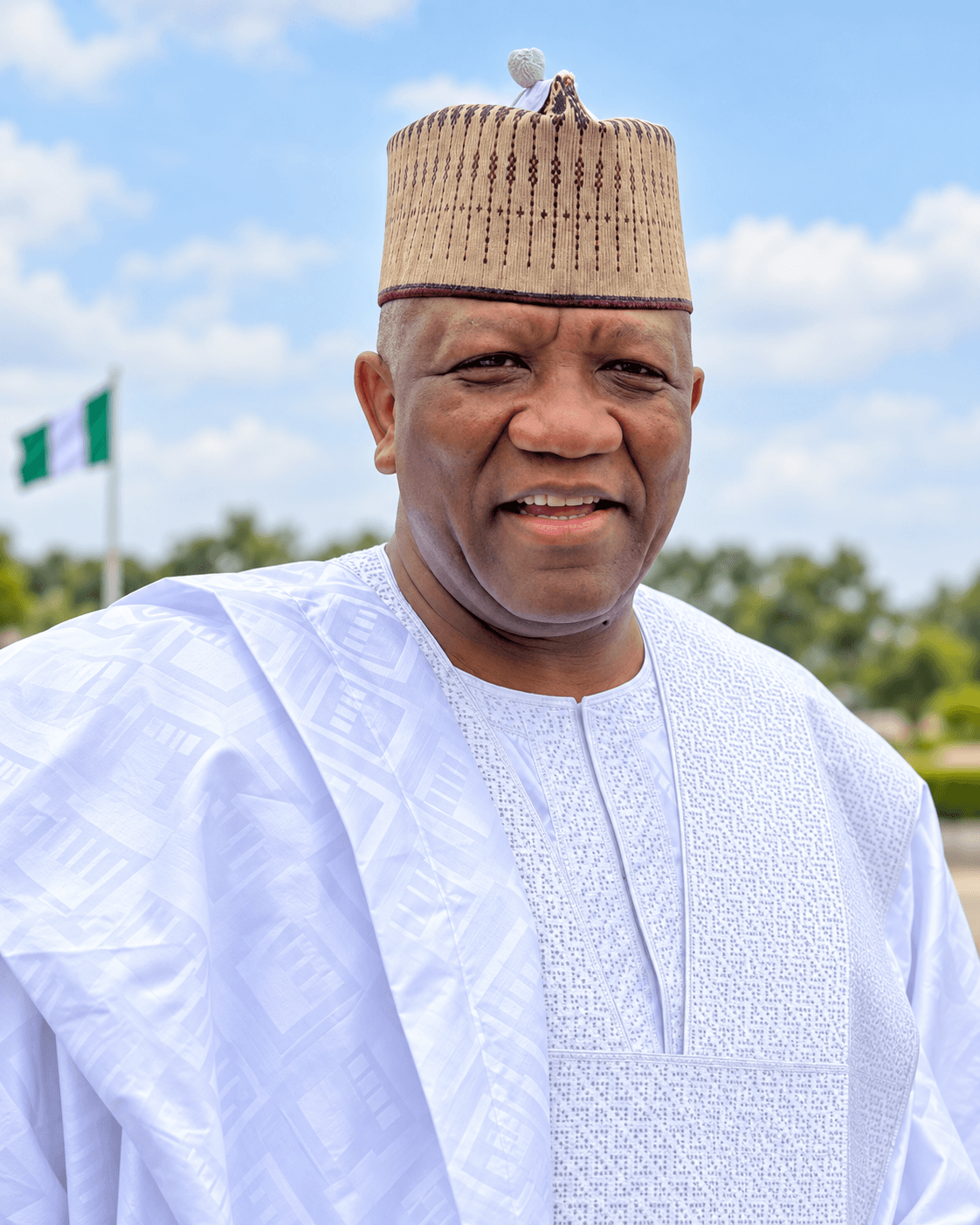
Senator Abdulaziz Abubakar Yari represents Zamfara West in Nigeria’s Senate. His mandate brings together Anka, Bakura, Bukkuyum, Gummi, Maradun and Talata Mafara: six local government areas whose communities share a place in national representation while retaining their own local concerns, histories and priorities.
Service in the Senate connects those communities with the work of the National Assembly. It also creates a continuing responsibility to listen beyond the chamber, explain public work and help residents bring their concerns to the attention of the appropriate institutions. The practical meaning of representation lies in that relationship between a national office and the people whose mandate it carries.
A return to the National Assembly
Yari’s Senate service began in 2023. He had previously represented Anka and Talata Mafara in the House of Representatives from 2007 to 2011, before serving two terms as Governor of Zamfara State. The Senate chapter therefore followed experience in both federal representation and state executive leadership.
Those offices are different. The governorship involved directing a state administration, while a seat in the Senate involves participation in a national legislature. Experience from one role may inform the other, but the powers of a governor do not carry over into the office of a senator. Public work must be understood within the institution responsible for it.
His current constituency is also wider than the federal constituency he represented in the House. Zamfara West includes communities across six local government areas, requiring attention to a broader pattern of needs and engagement.
Six local government areas, distinct local needs
Anka, Bakura, Bukkuyum, Gummi, Maradun and Talata Mafara form the district represented by the Senator. A shared senatorial seat does not mean every community experiences the same conditions. The distance to a health facility, access to a school, the condition of a road and the needs of a farming household vary from place to place.
That diversity makes detailed communication important. A concern described only as a problem in Zamfara West can be difficult to act upon. Identifying the local government area, ward, community and service involved gives the office a clearer understanding of the issue and the institution that may be responsible for addressing it.
The constituency pathways on this platform reflect that need. Residents can explore the district, identify their community and contact the office about a specific concern. This is part of making representation accessible between elections and beyond formal political gatherings.
Legislative responsibility and public understanding
The Senate is part of Nigeria’s National Assembly. Legislative participation, consideration of public expenditure and oversight form part of its institutional work. For constituents, the important connection is how national decisions affect the services, opportunities and protections available in their communities.
A useful public account of Senate work should identify the actual business involved. A speech, an engagement, a committee proceeding and a completed legislative decision are different events. Understanding those differences helps residents follow a matter from discussion to any subsequent action without confusing participation with a final outcome.
This platform’s legislative and news sections provide places for that work to be followed as individual items are published. They sit alongside the broader biography and constituency pages, allowing the day-to-day record to develop without turning every public appearance into a legislative achievement.
Education as a constituency priority
Education support is one area in which the Senator’s community work intersects with the needs of families. The Senator A. A. Yari Scholarship Initiative assists indigent and orphaned students from Zamfara with access to tertiary study. Its 2024/2025 education assistance covered 2,055 students across 19 institutions.
The programme’s reach extends across Zamfara State, while the Senator’s elected district is Zamfara West. These are different geographical descriptions and both matter. The constituency identifies the mandate; the programme identifies the scope of a particular intervention.
For a student and family, support with registration can address a specific barrier at the point of entering or continuing study. The programme page sets out the historical support and provides a route to current information, rather than presenting an earlier academic session as a permanently open application window.
Health support close to communities
The free eye-care pilot opened at General Hospital, Talata Mafara, in November 2023. It was designed for vulnerable residents of Zamfara West who faced difficulty paying for treatment. Its target of 1,000 people described the planned reach of the pilot, with treatment and surgery dependent on clinical assessment.
This intervention illustrates a form of community support distinct from legislative business. It brought attention to a particular access problem and used a clinical delivery team to provide the intended care. The Senator’s support did not replace the professional decisions of the medical team.
The health programme also demonstrates why dates matter. A record of an outreach held in 2023 helps explain the work carried out at that time. It does not, on its own, announce a present-day clinic, appointment or entitlement to treatment.
Farming households and local livelihoods
Agriculture is another theme in the public-service record. Farm-input support, access to markets and the condition of rural infrastructure affect the circumstances in which households earn a living. In 2025, Senator-supported fertiliser assistance addressed the cost of an input for smallholder farmers during the wet season.
The distribution arrangements for that intervention were statewide. They should be considered within their own programme record, rather than treated as a complete account of all agricultural needs in Zamfara West. One input intervention can serve a defined purpose while other questions, including transport, security and access to water, remain important.
For representation, the task is to keep these connections visible. A concern about farming may involve several institutions, and the most useful engagement begins with a clear description of the problem and the people affected.
Engagement beyond the chamber
Meetings with community leaders, traditional institutions, religious leaders and other stakeholders form part of the Senator’s wider public life. They create opportunities for conversation outside formal legislative proceedings. They also bring him into contact with institutions that hold different kinds of responsibility within their communities.
His national political assignment as Director-General of the APC Presidential Campaign Council is separate from the Senate mandate. A campaign consultation and a constituency engagement may both involve public meetings, but they serve different purposes. Keeping that context clear makes the public record easier to follow.
The news, event, gallery and film collections record these engagements in their own settings. Residents can move from a short update to a fuller account, photographs or a film without losing the distinction between political organisation, community dialogue and legislative service.
A continuing relationship with residents
Representation is an ongoing responsibility. The needs of a district change, and the office must remain accessible to people whose concerns are practical, local and sometimes urgent. Clear contact pathways help residents decide where to begin and what information will make their message useful.
The constituency section identifies the six local government areas, while the contact and community-reporting pages provide routes for enquiries. Programme notices and published opportunities carry their own eligibility and timing information. Together, these pathways support a more usable relationship between the office and the communities it represents.
Zamfara West remains the centre of the Senator’s elected mandate. The public-service record is organised around that connection: national representation informed by local experience, and community engagement that gives residents a way to follow and participate in the work of their office.
- Period
- 2023–present
- Office
- Senator, Zamfara West